


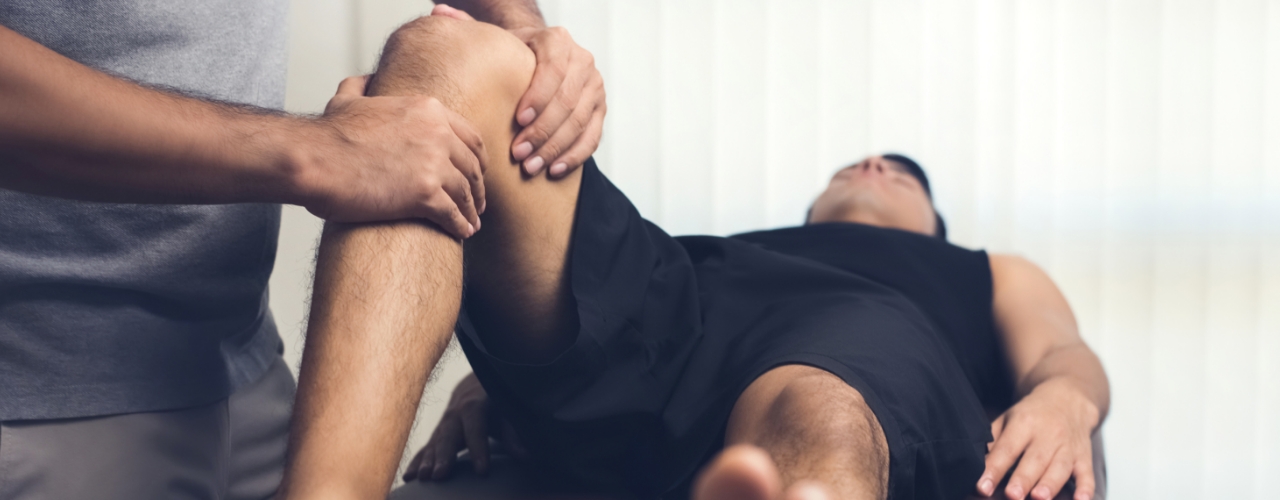
How Our Physical Therapy Care Plans Can Transform Your Life
Restore your function and wellness with expert care from our physical therapists
Physical therapy (PT) is a healthcare specialty focusing on preventing, treating, and managing movement disorders and physical impairments. If you want to restore your physical abilities, reduce pain, and improve your overall health and wellness, then come see EleVis Wellness Collective. Our physical therapists in Chicago, IL are musculoskeletal experts who use different techniques and exercises in order to help you regain your independence, and prevent injury or disability.
Common Conditions Treated
Physical therapy is often prescribed as a treatment for a wide range of conditions. Here are some common conditions that our physical therapists in Chicago, IL treat:
Musculoskeletal and sports injuries:
Sprains
Stretching or tearing of ligaments, which is the fibrous tissue connecting bones and joints.
Strains
Stretching or tearing of a muscle or a tissue connecting muscle to bone.
Joint injuries
Degeneration or injury to the cartilage in the joints.
Overuse-type (repetitive stress) injuries
Most often affecting the tendons in the body.
Neurological disorders:
Stroke
A medical emergency that occurs when there is damage to the brain from an interruption of its blood supply.
Parkinson’s disease
Condition of the central nervous system that affects mobility and includes frequent tremors.
Multiple sclerosis
Disease in which the immune system attacks the protective covering of nerves.
Traumatic brain injuries
A traumatic brain injury (TBI) is caused by a direct force or blow to the head. A concussion is an example of a mild traumatic brain injury (mTBI).
Back and neck pain:
Bulging and Herniated disc
A bulging disc occurs when the soft, gel-like center of an intervertebral disc (nucleus pulposus) pushes against the outer, fibrous layer (annulus fibrosus) without fully breaking through. A herniated disc, also known as a slipped or ruptured disc, happens when the nucleus pulposus breaks through the annulus fibrosus.
Degenerative Disc Disease (DDD)
This condition is characterized by the gradual wear and tear of the intervertebral discs in the spine.
Spinal stenosis
Condition where the hole (canal) that the nerves exit the spine narrows, causing pressure on the spinal nerves. It is most common in the neck and lower back.
Nerve Pain (i.e., sciatica or radiculopathy)
Pain that radiates from the lower back or neck down one or both arms/legs along the nerve pathway.
Chronic pain:
Fibromyalgia
Widespread muscle pain and tenderness.
Chronic headaches
Painful sensations that occur in the head, such as sharp pain and achiness.
Arthritis
Our physical therapists work with you to improve your joint mobility, reduce pain, and increase your overall function and quality of life.
Post-surgical rehabilitation:
Physical therapists can help patients recover from surgery by providing exercises and techniques to restore range of motion, strength, and function.
Total Joint Replacement
A surgical procedure where a damaged joint, such as the hip, knee, or shoulder, is replaced with an artificial implant to restore function and reduce pain.
Ligament Repair/Reconstruction
Surgery to restore stability and function to a torn or damaged ligament, often performed on the knee (ACL, MCL) or ankle.
Tendon Repair
A procedure to mend torn or damaged tendons, commonly needed after injuries to the Achilles tendon, rotator cuff, or hand tendons.
Arthroscopy
A minimally invasive surgery that uses a small camera and instruments to diagnose and treat joint issues, such as meniscus tears or cartilage damage.
Spinal Surgery
A minimally invasive surgery that uses a small camera and instruments to diagnose and treat joint issues, such as meniscus tears or cartilage damage.
Carpal Tunnel Release
A surgery to relieve pressure on the median nerve in the wrist by cutting the transverse carpal ligament, reducing pain and numbness.
Bunionectomy
A procedure to remove a bunion, a painful bony bump at the base of the big toe, to realign the joint and relieve discomfort.
Have you been diagnosed with one of these conditions? If so, contact EleVis Wellness Collective today learn more about our holistic treatment plans and book an appointment!
What to expect at your physical therapy sessions
At EleVis Wellness Collective, we strive to make your process smooth, positive, and empowering. Our dedicated physical therapists delve into your past and present health conditions, surgeries, injuries, and lifestyle habits. This rigorous evaluation helps us understand your unique health profile, enabling us to tailor a treatment plan that meets your specific needs.
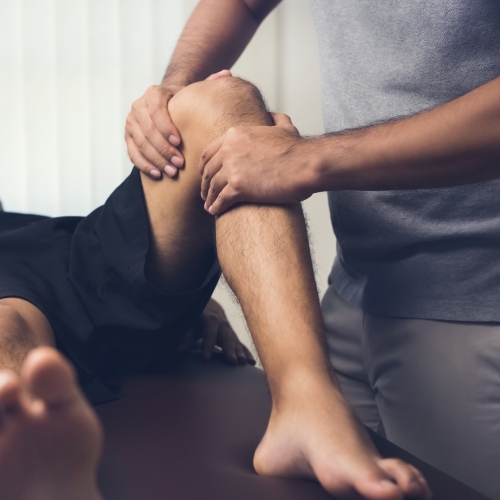
Next, we assess your range of motion and strength. This information provides essential insights into your overall physical capabilities and limitations. This information forms the cornerstone of your personalized treatment plan.
Our therapists will conduct comprehensive balance, coordination, and functional movement screens to identify any abnormalities that might be contributing to your discomfort or limiting your activities. These tests provide us with a view of your physical performance, further enabling us to customize your treatment regimen.
FAQs
What conditions can physical therapy treat?
Physical therapy is highly effective for a wide range of conditions, including but not limited to: musculoskeletal injuries, chronic pain, arthritis, post-surgical recovery, sports injuries, and neurological conditions like stroke and Parkinson’s disease. It can also help with balance issues, mobility limitations, and injury prevention.
How many physical therapy sessions will I need?
The number of sessions required varies depending on the nature of your condition and your personal goals. Our physical therapist will give you an estimated treatment timeline during your initial assessment, but the plan can be adjusted as you progress.
What should I wear to physical therapy?
It’s best to wear comfortable, loose-fitting clothing that allows freedom of movement, such as workout clothes or athletic wear. Depending on your treatment, your therapist may need access to specific areas of your body, so shorts, T-shirts, and sneakers are recommended.
Will physical therapy be painful?
While some discomfort can occur as your body adapts to new exercises and movements, your therapist will always work within your tolerance level to avoid unnecessary pain. The goal is to reduce pain and improve function, not to cause additional discomfort.
How does physical therapy help with pain management?
Physical therapy uses a combination of techniques such as manual therapy, therapeutic exercises, and education to address the root cause of pain. By improving movement patterns, reducing inflammation, and strengthening muscles, physical therapy can help relieve pain and prevent future injuries.
Can physical therapy prevent surgery?
In many cases, physical therapy can help avoid the need for surgery by addressing underlying issues like joint instability, muscle imbalances, or poor movement patterns. However, in some cases, surgery may still be necessary, and physical therapy can assist with pre-surgery preparation and post-surgery recovery.
Ready to find the relief you’ve been searching for?
Seeking to enhance your physical function, mobility, and independence while preventing injury or disability? At EleVis Wellness Collective, we offer a comprehensive, personalized approach to patient care, enabling you to achieve these goals. Our holistic approach helps overcome symptoms and attain the quality of life you deserve. Contact us to schedule an appointment in Chicago, IL and discover the benefits of physical therapy.
Your Next Steps…
Request An Appointment
Receive A Custom Treatment Plan
Work Hard and Progress In Your Recovery
Recover & Enjoy Life Pain-Free!